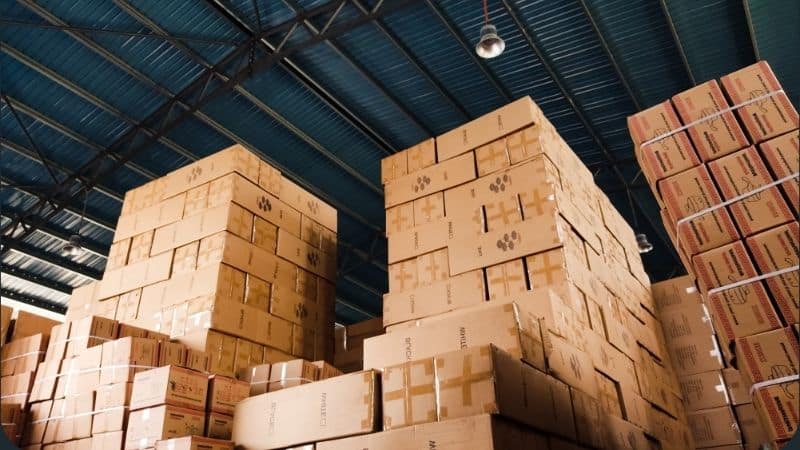
Over the last few years, supply chain disruptions have become a common cause of delay and non-performance in commercial contracts. Political unrest and blockages, such as the Hormuz Strait crisis, can hinder logistics, increase costs, and lead to significant delays beyond the control of the parties involved.
In these circumstances, the non-breaching party may seek compensation in the form of liquidated damages (LDs) if the contract provides for them. In this article, we discuss the application of liquidated damages in cases involving supply chain disruptions, compare them with unliquidated damages and penalties, and explore practical steps to manage the situation.
Key Takeaways
- When a party to a contract is affected by a supply chain disruption, the contract may provide for liquidated damages as a remedy.
- Liquidated damages are a genuine pre-estimate of the amount of loss that may result from the breach or delay.
- Liquidated damages are generally enforceable in Singapore if their amount is not penal and represents a genuine pre-estimate of loss at the time the contract was made.
- A company affected by a supply chain disruption may benefit from early involvement of a commercial lawyer for legal review, negotiations with the other party, and pursuing liquidated damages if required.
What Are Liquidated Damages?
In commercial contracts, liquidated damages (LDs) are a pre-agreed sum that one party agrees to pay to the other if it fails to meet specific contractual obligations, for example, delivery of goods within a pre-determined period, or performance of work or services.
When a contract includes a liquidated damages clause, the innocent party does not have to prove the fact or the amount of loss when a breach occurs. In Singapore, LDs are common in many types of commercial contracts, including those in the construction industry, engineering services, and industrial supply.
Liquidated Damages vs Unliquidated Damages
Unliquidated damages can be awarded for a breach of contract where the innocent party has suffered a loss. As a general rule, a claim for unliquidated damages should be compensatory and not punitive. However, unlike liquidated damages, which have a fixed amount set in the contract, unliquidated damages are not pre-estimated and are generally based on actual loss.
How Singapore Courts Approach Liquidated Damages during Supply Chain Delays
In Singapore, liquidated damages are one of the common remedies for breach of contract. Liquidated damages are generally enforceable if they constitute a genuine pre-estimate of the loss that may be suffered by an innocent party if there is a breach of a contract. At the same time, a penalty that is not a genuine pre-estimate of such losses is generally not enforceable.
The Singapore courts apply traditional tests to distinguish liquidated damages from unenforceable penalty clauses, including the principles laid down in Dunlop Pneumatic Tyre Company, Limited v New Garage and Motor Company, Limited [1915] AC 79 (“Dunlop”). These principles hold that:
- A clause would be penal if the payable amount is extravagant and unconscionable in comparison with the greatest loss that could have resulted from the breach.
- A clause would be penal if the breach consists only in the non-payment of money, while the clause provides for the payment of a larger sum.
- There is a rebuttable presumption that the clause is penal if the required amount is payable on the occurrence of events of varying gravity.
- The clause would not be penal simply because it was impossible to have a precise estimate of the true loss.
Can Supply Chain Disruption Excuse Performance?
A disruption in the supply chain, even a major one, does not automatically excuse performance. Whether a supply chain disruption can relieve a party of the obligation to perform or to pay damages generally depends on the terms of the contract, for example, if it includes a force majeure clause covering the specific event.
In the absence of a force majeure clause covering a supply chain disruption, a party seeking to avoid liability can explore whether the event can fall under the doctrine of frustration of contract. However, Singapore courts hold that only an extreme change in circumstances may qualify as frustration where the change has a fundamental impact on the ability to perform the contract.
Practical Steps During Supply Chain Disruptions
When a party to the contract is affected by a supply chain disruption, taking prompt action can help mitigate the situation and claim compensation for losses.
Have a Legal Contract Review
A legal review of the contract can help identify whether the liquidated damages clause is enforceable. A commercial lawyer can further help evaluate whether the supply chain disruption falls under force majeure or frustration of contract, and advise on the available grounds for relief or compensation.
Comply with Notice Requirements
In most cases, commercial contracts require the affected party to issue a written notice when there is a delay in fulfilling obligations. It’s essential to follow the procedure for notification as defined in the contract, as a failure to comply can affect the ability to claim relief.
Document the Delay
Both parties should document any major event, such as a supply chain disruption, including its cause, duration, and impact on the contract. Keeping accurate records of the disruption can be critical for supporting any claim in court.
Mitigate the Delay Where Possible
As a general rule, the courts expect the innocent party to mitigate the consequences of any event preventing performance before filing a claim, for example, by sourcing alternative suppliers or exploring additional routes. Taking reasonable steps to minimise the impact of a delay in supplies is essential not only for reducing the amount of potential damages but also for the ability to proceed with the claim.
When to Seek Legal Advice for Liquidated Damages?
When performance is hindered due to a supply chain disruption, involving a commercial lawyer early can help mitigate the consequences and protect your ability to claim compensation or seek relief.
An experienced lawyer can help review the contract, evaluate whether the event falls under force majeure or frustration of contract, follow notice requirements, and negotiate with the other party. For more information on claiming liquidated damages in Singapore, please don’t hesitate to contact the IRB Law corporate and commercial lawyers for a personalised consultation.
FAQs
What is the difference between liquidated damages and unliquidated damages?
Liquidated damages are a pre-agreed sum, set in the contract, which is payable after a specified event of non-performance, without the need to prove the actual amount of loss. By contrast, unliquidated damages are not pre-estimated in the contract and are determined by the court based on the actual amount of loss.
Are liquidated damages enforceable in Singapore?
Yes, liquidated damages are generally enforceable in Singapore if they meet the standard tests applied by the Singapore courts. To pass these tests, the amount of liquidated damages should not be penal and represent a genuine pre-estimate of loss at the time the contract was concluded.
What is the difference between liquidated damages and a penalty in Singapore?
Liquidated damages represent a genuine pre-estimate of the amount of loss that may result from a breach and are generally enforceable. In contrast, a clause that imposes a liability which is extravagant or unconscionable in comparison to the greatest conceivable loss is considered a penalty and is generally not enforceable.
Is a contract penalty clause enforceable in Singapore?
No, a penalty clause in a commercial contract that imposes an extravagant or unconscionable sum compared with the loss is generally not enforceable in Singapore.
Can a supplier rely on chain disruption to avoid liquidated damages for late performance?
A supply chain disruption does not automatically excuse a supplier from liability for liquidated damages. However, the affected party can claim relief from fulfilling its contractual obligations if the contract includes a force majeure clause covering the event or if the disruption frustrated the contract.