
In difficult situations, seek professional help
Insolvency is rarely an area of expertise for many business owners or chief executives. When faced with the prospect of insolvency, our efficient and highly competent bankruptcy team will advise and guide you through the process of negotiating with creditors and restructuring the company. Knowledge of your legal position will enable you to make informed decisions going forward. Where necessary we involve other fellow professionals such as accountants or engineers.
Speak to our team of professionals to plan and discuss how the company can be kept afloat. You may be surprised at the range of options that are available. All discussions with a law firm are not only confidential, but subject to legal professional privilege, meaning that they cannot be disclosed even in a Court of law. It is advised that companies seek legal advice at the earliest sign of trouble, as this actually helps to keep overall costs down.
Examples of the areas we regularly advise on are:
- Dealing with pending law suits and demands for payment (E.g. where the company has been receiving letters of demand, writ of summonses, etc.)
- Crisis management and security of assets (E.g. where the company is facing enforcement proceedings or cash flow crises)
- Management of the timeline for winding up proceedings
- Schemes of arrangement
- Liquidation
- Judicial management
- Receivership
- Voluntary arrangements

 Rating

Mr Baiross and his team helped me with my litigation case and offered really good advice. I am very appreciative of his work and expertise as it helped me close my case. Thank you🙏🏼🥹

Excellent service from Mr. Baiross and the team at IRB Law LLP. The consultation was clear, professional, and provided very practical solutions. Thanks!

Cannot praise the team at IRB Law enough... from Mohamed Baiross's prompt reply to my whatsapp message late in the night, to Hadhri's prompt follow-up and assistance, they made the process of getting of a POA a really smooth one. Given our tight deadline, the team was very patient and super duper helpful in answering our queries and lending the helping hand. Thank you so much again for everything, we really appreciate it. Kudos to the wonderful team! Cheers! 😀

Highly recommended! With their welcoming office, I had a great experience with IRB Law. Kudos to Mr. Ahmad Ghazi, Mr. Baiross, and the rest of the IRB Law team for their efficiency and excellent coordination. Special thanks to Mr. Ahmad Ghazi, who handled my queries with exceptional professionalism, patience, and dedication from the very beginning. He took the time to explain the process clearly, answered all my questions promptly, and provided clear legal advice on possible future scenarios as well. It was all smooth process within 2 weeks!

We engaged IRB for a recent case and had an absolutely wonderful experience with Mr Baiross and Mr Joel. From our very first consultation, we knew we were in good hands. Mr Baiross took the time to understand our situation and walked us through the potential consequences with so much empathy, patience and genuine concern. He never made us feel rushed, and his ability to explain everything clearly gave us a lot of reassurance during what was a very stressful period for us. It was clear from the very first conversation that he genuinely cared about helping us, and we knew we wanted to engage him and his team. We were also incredibly fortunate to work with Joel throughout the process. His friendly and approachable demeanour made it so easy to communicate with him. He always kept us focused on the end goal, while making the entire process feel much less daunting. At times, it genuinely felt like we were discussing things with a friend rather than a lawyer. What we appreciated most about Joel was his ability to empathise with our situation and understand how we were feeling before offering his thoughts and advice. He never made us feel like our concerns were insignificant, and we always felt heard, respected and supported. His professionalism, patience and personal touch really stood out to us. Highly recommended to anyone looking for a team that is not only professional and knowledgeable, but also genuinely empathetic and invested in their clients.
Areas of focus
- Individual & corporate bankruptcy
- Company restructuring
- Issues of insolvency
Why Us
Why Choose IRB Law

Expertise in Business Insolvency Matters
We advise companies and directors on restructuring, insolvency, and liquidation with practical, results-driven strategies.>

Strategic, Commercially Focused Advice
We assess financial risks and provide clear options to protect business interests and minimise losses.

Transparent and Competitive Fees
We offer upfront, reasonable pricing with no hidden charges, giving businesses clarity and confidence throughout the process.
Our Lawyers
Our Dedicated Bankruptcy, Insolvency and Restructuring Team

Mohamed Baiross
Mohamed Baiross is the managing partner of IRB Law and one of the nation's leading lawyers in multiple practice areas, including civil, corporate, and commercial law. With over three decades of experience as a business lawyer, Mohamed Baiross has built a renowned corporate law firm in Singapore, providing expert legal services to global corporations and local businesses.
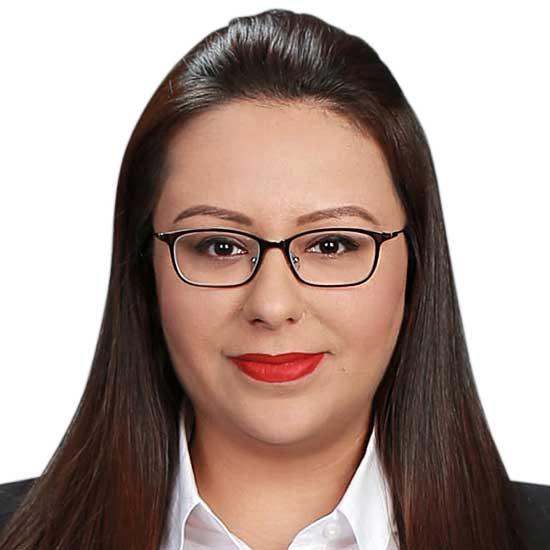
Kulvinder Kaur
Kulvinder Kaur is a prominent commercial and corporate lawyer and an expert in litigation matters. Kaur is well-known in all courts of Singapore for strong legal representation in the most complex cases across multiple practice areas.
Google Reviews
Testimonials

l want to sincerely thank you for all your hard work and support during my divorce. This is one of my hardest times in my life, and your patience, empathy and clear guidance nake a huge difference. Thank you for always keeping me updated, answering my questions, and helping me navigate this process with peace of mind. I am very grateful for your professionalism and care. My special thanks to Norlina and Fadil for all the preparations for my mediation day. Lawyer Eqhnal Dzuleqhram concludes it nicely.

I’m truly grateful to the team at IRB Law LLP for helping me with the drafting of my Will. Everyone was efficient, professional, and very responsive throughout the entire process. A special thank you to Taffy, who was exceptionally helpful, patient, and attentive. She made the whole process smooth and easy to understand, and was always prompt in responding to my questions and clarifications. I really appreciate the excellent service and support from the entire team. Thank you, IRB Law LLP, and especially Taffy, for making this an easy and pleasant experience. Highly recommended! 🙏

⭐⭐⭐⭐⭐ I would like to express my sincere thanks to Ms Charlotte and I.R.B. Law LLP for their professional and efficient assistance with my legal matter. The team handled a sensitive and stressful situation with patience, respect, and understanding. She explained the process clearly, prepared the necessary documents promptly, and made everything much easier for me. I truly appreciate her guidance, commitment, and excellent service. I highly recommend I.R.B. Law LLP to anyone seeking reliable and compassionate legal assistance. Thank you once again to the entire team for your valuable help and support.

We had a very pleasant and efficient experience with Mr Andrew and Ms. Prescelia for our estate will. He is very experienced and efficient. We sent him our draft will and he managed to word it properly and he is very patient in explaining on little details and processes. Highly highly recommended. IRB does live up to its reputation.
Mr Baiross and his team helped me with my litigation case and offered really good advice. I am very appreciative of his work and expertise as it helped me close my case. Thank you🙏🏼🥹

I had a very positive experience with the Syariah team led by Mr Dzuleqhmal at I.R.B Law LLP. They were professional, knowledgeable and supportive throughout the entire process. They explained everything clearly, kept me informed and handled my case with great care and attention. Mr Rano was especially patient when attending to my mother making sure she understood everything clearly. What I appreciated most was how approachable and responsive the whole team was. I felt they genuinely cared about achieving the best possible outcome for me. I would highly recommend this legal team to anyone looking for reliable, competent and trustworthy lawyers.

I have been working with the team at IRB Law for a personal debt recollection these past months, and I would like to commend Sharifah and Elavarasi on facilitating the process in a smooth, timely manner while explaining the details and steps needed to be taken. Thanks to them, I was able to obtain a positive court ruling without much issue. I would highly recommend the team for others who face the same issue.

The legal team that attended ti us were well verse in the subject matter and explain to us clearly. They were very professional and willing to make any amendment necessary. Kudos to lawyer Rano Matiin and paralegal Fadil.
Excellent service from Mr. Baiross and the team at IRB Law LLP. The consultation was clear, professional, and provided very practical solutions. Thanks!

I engaged Mr Dzuleqhmal and his team from IRB Law for my divorce recently. They were very professional. The team is big and they all did their parts. Some of the team members who liaised with me directly were Mr Fadil, Mr Patrick, Ms Hafizah and Ms Sharmeela. Mr Fadil was available in between appointments whenever I needed to clear any doubts (and I had many!). Thank you for being very patient with me. Ms Sharmeela was with me twice during mediation at the Syariah Court. She was very supportive and explained points and outcomes clearly. She was calm and maintained her composure extremely well when my ex-spouse raised his voice at her and the mediator. Thank you for supporting me during some of my most vulnerable moments. I truly appreciate it. The divorce eventually closed without going on to PTC and a hearing, and the outcome was also in favour of me and my boys. I can’t recommend Mr Dzuleqhmal and his team enough.

We would like to extend our sincere gratitude to the team at I.R.B Law LLP, especially Rano, who attended the court hearing with us, as well as everyone who assisted us throughout the entire divorce proceedings. This journey was definitely not an easy one, and there were many uncertainties along the way. We are thankful that throughout the entire process, the team was always patient in listening to our concerns and guiding us whenever we were unsure of the next step. They made the legal process easier for us to understand and gave us the reassurance we needed to get through each stage. One thing we especially appreciated was how realistic and transparent the team was with us. They would always prepare us for what to expect, including the possible worst-case scenarios. Rather than giving us false expectations, they helped us understand the different possibilities and manage our expectations accordingly. This allowed us to mentally prepare ourselves for whatever the outcome might be, even if it was not necessarily the outcome we hoped for. That honesty and guidance meant a lot to us throughout the process. Whenever we had questions or were unsure about something, the team was always there to guide us through it. Our enquiries were attended to promptly and professionally, and we truly appreciated how responsive and patient they were, especially during moments when we needed further clarification or reassurance. What meant the most was knowing that we did not have to navigate such a difficult process alone. Having a team that was professional yet understanding made an already stressful and emotionally exhausting journey much more manageable. Now that this chapter has finally come to an end, one thought feels especially fitting: “Today is not about who won or who lost. It is about finally closing a chapter that took more from everyone than it should have. Some endings don’t need celebration or resentment — just acceptance, peace, and the grace to move forward.” And that is exactly how we choose to look at the end of this journey. To Rano and the entire I.R.B team who played a part in getting us through this process, thank you for your professionalism, honesty, patience, guidance and support. We are sincerely grateful for everything you have done for us, and it will not be forgotten. 🤍

This review is long overdue. Ahmad Ghazi went above and beyond in serving us and rushing to settle our paperwork. He meticulously and patiently explained each and every aspect of the documents to us before we signed. If you need someone reliable and efficient, please look for him.

This company my friend recommend for divorcee case. Fast working reliable company, ready take case and actions immediately. Transparent calculations fees, high respect especially to Leong Zhen Yang and Faiza: fast, precise, punctual work does not neglect any detail, my case was complicated and risky. Thanks a lot!!!😍🙏❤️

We contacted IRB Law on Thursday to express our interest in engaging their services for Islamic inheritance planning. Their response was swift, and a meeting was scheduled for the following Wednesday. During the meeting, Mr Fadil understood exactly what we had in mind and took the time to explain our concerns, the available options, and the best way forward. When he found out that we would be travelling soon, he kindly expedited the process so that we could have peace of mind before our trip. It took only two meetings to finalise everything. Mr Fadil was incredibly patient throughout and answered all our questions clearly and thoroughly. We are truly grateful for the professionalism, efficiency and reassurance provided by IRB Law. It’s such a relief to have everything properly arranged and settled. Alhamdulillah. 🤍

I would like to express my sincere appreciation to IRB Law and especially to Mr Aidil, who handled my case. Mr Aidil has been professional, patient, and very approachable throughout the entire process. He took the time to explain things clearly, answered my questions patiently, and provided valuable advice whenever I needed guidance. I truly appreciate his dedication and the way he handled my matter with professionalism and care. Having a lawyer who is responsive, understanding, and genuinely committed to helping his client makes a big difference, and I am grateful to have had Mr Aidil representing me. Thank you, Mr Aidil, and the team at IRB Law for your excellent service and support. I would highly recommend Mr Aidil and IRB Law to anyone looking for professional and reliable legal assistance.

Truly grateful to the team for assisting me throughout my divorce case at the Syariah Court, as well as my maintenance matter at the Family Justice Courts. From the very beginning, the lawyers were professional, knowledgeable and responsive. What stood out to me most was how committed they were to my case. They were willing to go the extra mile and fight for their client’s best interests, while ensuring that I understood the legal process and my options along the way. Going through a divorce and maintenance matter is never easy, but having lawyers who genuinely listen, guide and stand by you makes a huge difference. I always felt that my case was taken seriously and that they were willing to go all out to achieve the best possible outcome for me. I highly appreciate their dedication, professionalism and support throughout the entire journey. I would definitely recommend this law firm to anyone looking for a reliable, professional and committed legal team.

IRB law team handled my case well. Everything went smoothly. Every detail was explained and written clearly. Ms izyan, munirah & syarah are very patient with my questions. And as for counsel mr Aidil did a great job in handling my case. Thankyou. Highly recommended

I wanted to take a moment to express my deepest gratitude to Ms Faustina and Mr Ahmad Ghazi for the tremendous support through this legal process. Ms Faustina’s expert guidance provided us with an immense sense of relief and security when we needed it most.


Had a pleasant experience with IRB Law in getting a POA. Charlotte was prompt and helpful in our queries and the POA was endorsed by the court a few days after signing. She kept us updated from the first day till the collection of the POA

IRB Law LLP has been absolutely wonderful from start to finish. We first met with Mr. Zul, who then introduced us to Mr. Aidil and his team, and every single one of them was ever attentive to our needs throughout the entire process. They handled my son’s divorce with great care, patience, and clear expertise, always taking the time to explain things and make sure we fully understood where we stood. We felt genuinely heard and well looked after, and reached a very fair settlement that protected my son’s interests perfectly. If you’re looking for a trusted, professional team that truly cares, I highly recommend Mr. Zul, Mr. Aidil, and everyone at Irb Law."

Did my notary and birth certificate translation here. Good service and efficient


Cannot praise the team at IRB Law enough... from Mohamed Baiross's prompt reply to my whatsapp message late in the night, to Hadhri's prompt follow-up and assistance, they made the process of getting of a POA a really smooth one. Given our tight deadline, the team was very patient and super duper helpful in answering our queries and lending the helping hand. Thank you so much again for everything, we really appreciate it. Kudos to the wonderful team! Cheers! 😀

I am truly grateful to Tuan Dzul, MrAidil, Patrick and the team for their guidance and support throughout my case. What stood out most to me was that I never felt like I was just another case file. I felt heard, understood and genuinely cared for — like they truly wanted to help me through a very difficult, stressful and emotional chapter of my life. They listened to my concerns and explained things clearly Their patience, professionalism and clear guidance gave me much-needed reassurance throughout the process. Thank you for handling my case with integrity, sincerity, care, respect and dedication. I sincerely appreciate all the effort from the entire team and would definitely recommend them to anyone looking for a reliable and supportive legal team. 🙏🏼

Mr Dzuleqhram and his team did a great job handling my case. Honest, firm and most importantly, decisive. I cannot thank Mr Dzuleqhram and his team enough

I did my HDB POA with IRB July-Aug 2026. As I am overseas, they helped with all additional procedures like local notary sign, instant verification, courier and final collection. Madam Lina was so prompt that she was answering even at 11pm SGT. Whole team did good job. Keep it up!

Dzul’s team was professional and took my mental load off the divorce processes. A big thank you to Rano for being approachable and patient with my odd timings due to work commitments.

We had an excellent experience with IRB Law for a probate matter in Singapore, much of which we handled from overseas. Andrew Wong and Haikel Shah at Mountbatten Square were professional, responsive and helpful throughout. They always replied promptly, explained everything clearly and were very accommodating when we had tight deadlines, fitting us into their busy schedules when needed. Their support made a difficult process much easier for our family. We would not hesitate to recommend them to others.

I would like to express my profound, heartfelt gratitude to Mr. Dzuleqhmal, Mr. Fadil, Mr. Aidil and Ms. Sharmeela. After a long, exhausting and challenging 3 years (since 2023) legal battle in the Syariah Court, justice has finally been served for me and my children. Throughout this painful journey, we faced countless obstacles including persistent delays and failure from the opposing party to submit necessary forms. Yet, my lead lawyer, Mr. Dzul, and his remarkable team remained an unshakeable pillar of strength, backing me with unwavering and wholehearted support. Mr. Dzul and Mr. Fadil were by my side every single step of the way. Their meticulous dedication and tireless effort in navigating complex paperwork particularly in crafting and managing my massive, 800 pages AEIC were nothing short of extraordinary. I vividly remember our very first meeting in 2024 when I broke down and told Mr. Dzul I just wanted everything to end quickly. During the toughest moments of the fight in Family Court, his profound, comforting words anchored me: "It is not about ending fast, but ending right. I want to bring justice to you." He truly honored those words, fighting fiercely, compassionately and relentlessly alongside me until the very end. Thanks to their incredible dedication, brilliant legal strategy and constant encouragement, this arduous battle ended not in defeat but with overwhelming tears of joy and complete relief!!! I whole-heartedly and unreservedly recommend Mr. Dzul and his exceptional team to anyone seeking a reliable, compassionate and fiercely dedicated Syariah lawyer. Thank you for giving us our lives back, for standing in our corner when we needed it most and for your unmatched excellence. Thank you for everything, we won it all! Alhamdullilah Ya Allah!
Highly recommended! With their welcoming office, I had a great experience with IRB Law. Kudos to Mr. Ahmad Ghazi, Mr. Baiross, and the rest of the IRB Law team for their efficiency and excellent coordination. Special thanks to Mr. Ahmad Ghazi, who handled my queries with exceptional professionalism, patience, and dedication from the very beginning. He took the time to explain the process clearly, answered all my questions promptly, and provided clear legal advice on possible future scenarios as well. It was all smooth process within 2 weeks!

We engaged IRB for a recent case and had an absolutely wonderful experience with Mr Baiross and Mr Joel. From our very first consultation, we knew we were in good hands. Mr Baiross took the time to understand our situation and walked us through the potential consequences with so much empathy, patience and genuine concern. He never made us feel rushed, and his ability to explain everything clearly gave us a lot of reassurance during what was a very stressful period for us. It was clear from the very first conversation that he genuinely cared about helping us, and we knew we wanted to engage him and his team. We were also incredibly fortunate to work with Joel throughout the process. His friendly and approachable demeanour made it so easy to communicate with him. He always kept us focused on the end goal, while making the entire process feel much less daunting. At times, it genuinely felt like we were discussing things with a friend rather than a lawyer. What we appreciated most about Joel was his ability to empathise with our situation and understand how we were feeling before offering his thoughts and advice. He never made us feel like our concerns were insignificant, and we always felt heard, respected and supported. His professionalism, patience and personal touch really stood out to us. Highly recommended to anyone looking for a team that is not only professional and knowledgeable, but also genuinely empathetic and invested in their clients.

I am writing to express my heartfelt appreciation and gratitude to Mr Dzuleqhmal, Mr Aidil, Ms Sharmeela Begum, and the entire team for the exceptional professionalism, dedication, and care they demonstrated while handling my court matters. Throughout what has been a very difficult and emotionally challenging period, the team consistently treated me with respect, patience, and compassion. They took the time to listen, explained the legal process clearly, and ensured that I understood each step of the proceedings. Their guidance gave me confidence during an uncertain time. I was particularly impressed by their professionalism, integrity, and commitment to ensuring that my matters were handled fairly and efficiently. Every interaction reflected a genuine willingness to help, and I always felt that my concerns were taken seriously. Their calm and respectful approach made a significant difference to my experience. Please extend my sincere thanks to Mr Dzuleqhmal, Mr Aidil, Ms Sharmeela Begum, and everyone involved. Their dedication to public service and commitment to helping members of the community are truly commendable. They are a credit to your organisation, and I hope they receive the recognition they deserve for their outstanding work. Thank you once again for the excellent service and support provided throughout my cases. I will always be grateful for the professionalism, kindness, and dedication shown by the entire team.

We consulted several lawyers before deciding who to engage for our case, and choosing Mr Dzuleqhmal was one of the best decisions we made. From our very first consultation, Mr Dzuleqhmal was patient, attentive, and took the time to understand our concerns. Our case was particularly challenging as it involved a variation of a court order relating to child access, where access had been denied despite an existing court order being in place. Throughout the process, Mr Dzuleqhmal and his team were professional, efficient, and consistently responsive. He clearly explained every stage of the matter, including the expected timeline, court procedures, hearings, and child evaluation processes, which helped us feel informed and prepared. What stood out most was his attention to detail, thorough preparation, and strong advocacy in court. He was precise in his work, strategic in his approach, and articulated our position effectively during proceedings. His knowledge of family law and commitment to achieving the best outcome for his client gave us confidence throughout the case. I would highly recommend Mr Dzuleqhmal and his team to anyone seeking legal representation in family law matters, especially complex child access and custody-related cases. Thank you for your professionalism, dedication, and support throughout this journey.

had a great experience with the IRB team dealing with POA matters relating to HDB. I would like to especially commend Jessie, as she was always quick to follow up while still being courteous and professional in her replies. would highly recommend their services as the team is prompt, efficient and effective.

To Dzul and Rano, thank you for the assistance just now in court. From the briefing before the conference up till the end of the session, both of you continuously assured me the plan and to prepare for any contingencies. I was abit intimidated and nervous and it was my first time in court but Alhamdullillah everything went as planned thanks to the both you. May Allah bless the both of you with better things to come in future insyaallah

I would like to express my sincere appreciation to IRB Law LLP, led by Mr Dzul, together with Mr Aidil and the Syariah team, for their professionalism and dedication in preparing my will as well as my parents’ wills. Throughout the entire process, the team explained every requirement clearly and ensured that we fully understood the legal and Syariah implications before proceeding. Their patience, knowledge, and attention to detail gave us great confidence and peace of mind. On the day of the signing, Mr Aidil made the professional decision not to proceed with my father’s will due to concerns about his dementia. Rather than simply declining the signing, he carefully explained the reasons and advised us on the appropriate next steps. He also informed us that he would be prepared to meet with my father’s doctor should the doctor certify that my father has the mental capacity to understand and sign the will. I truly appreciate the team’s integrity, professionalism, and commitment to ensuring that everything is carried out properly and in accordance with both legal and Syariah requirements. I would not hesitate to recommend IRB Law LLP to anyone seeking reliable and trustworthy estate planning services.

Mr Dzuleqhmal and Mr Fadil was helpful in their advice and guiding me through the legal process. I feel well represented and heard in my proceedings

Andrew Wong was really helpful and thorough in helping my family do their LPA/ Will.


Our sincerest appreciation to Mr Fadil, Legal Practice Manager from IRB Law Firm, for attending to the Will-writing process of our Aunty. He is patient, calm & detailed in his explanations to us on the Muslim Inheritance Laws. Thank you Mr Fadil.


I had a wonderful experience working with Faustina Joyce Fernando at IRB Law LLP. After struggling for a long time to navigate complex, stalled court document extractions on my own, Faustina stepped in with immense empathy, efficiency, and professionalism. She made strategic decisions that brought a swift, complete resolution to my case in record time. I am incredibly grateful for her clear guidance, kindness, and dedication. Highly recommend Faustina and the family legal team at IRB Law to anyone seeking reliable and compassionate legal support!


I am incredibly grateful to the team at IRB Law, namely Fadil, Fatin, Sharmeela, Patrick and Dzul, for guiding me through my divorce. They truly handled everything for me, from the paperwork and filings to the court process, while keeping me updated clearly throughout. What could have been an overwhelming and stressful experience was made so much easier because of their professionalism, efficiency, and support. I always felt that my case was being taken care of, and I never had to worry about what needed to be done next. Thank you for making the entire process as smooth and stress-free as possible. I would highly recommend IRB Law to anyone looking for a reliable and supportive legal team.


have engaged the team for variety of needs and they’ve always been reliable. Thanks!